Delphin Resource
Delphin Photo to Video Generator for Reference-Led Motion
Animate photos and still images with a Delphin-style image-to-video workflow built for product shots, portraits, and reference-led motion.
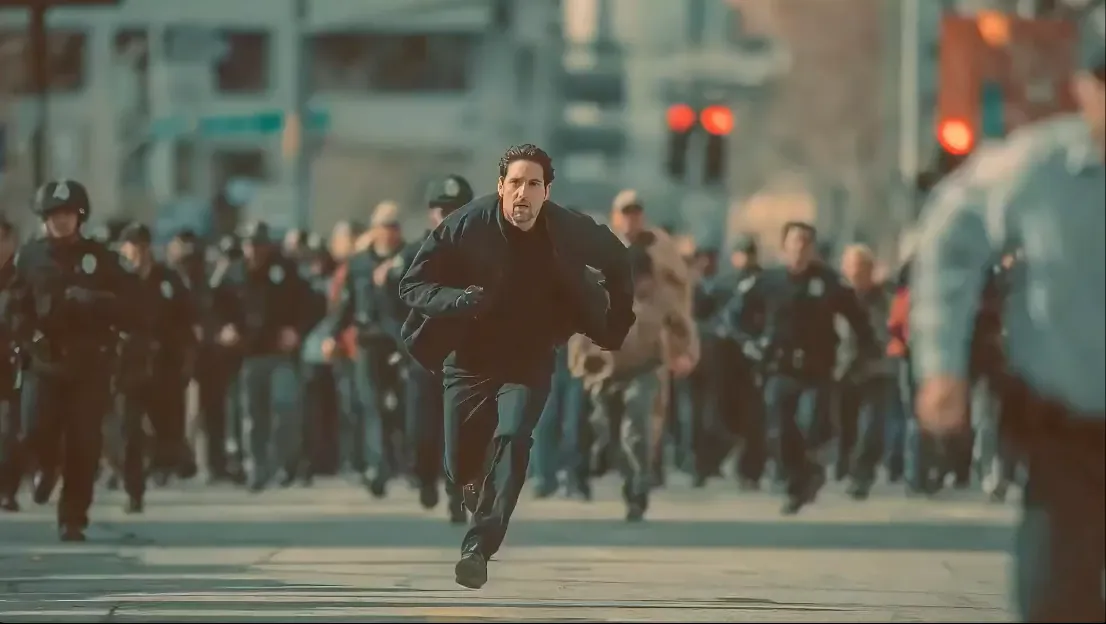
This page is for users who already have the frame they care about. Instead of inventing the whole scene from text, they want to turn a photo, portrait, render, or product shot into motion without losing the original composition.
Why photo-to-video solves a different problem
Photo-to-video users are usually further along than text-only users. They already know what the scene should look like and care more about preserving that look while adding motion, depth, or camera movement.
That makes image-to-video the better fit when continuity matters more than invention. The source frame becomes the anchor instead of asking the model to guess the whole composition from scratch.
- Start from a product shot, portrait, render, or still frame
- Preserve composition better than prompt-only generation
- Add motion without rebuilding the concept from zero
How to turn a photo into video online
The workflow is simple: upload the image, describe the motion you want, and use the prompt to tell the model how the shot should move rather than what the whole frame should be.
Use the image as the visual anchor
A strong source image gives the model a stable starting point for color, framing, and subject identity.
Describe the motion, not the whole world
You can focus the prompt on zooms, pans, subject movement, atmosphere, or reveal timing because the still image already carries most of the composition.
Iterate around the same reference
Keeping the same source photo makes it easier to compare different motion directions without losing brand or character consistency.
Where AI video from photo works best
This workflow is especially strong for product teasers, visual experiments, portrait motion studies, real estate imagery, and short-form social assets that need a stable visual identity.
- Product photos that need motion for ads or demos
- Portraits and character art that should stay on-model
- Real estate stills and design renders that need cinematic movement
FAQ
Is photo-to-video different from image-to-video?
Not really. Photo-to-video is a common search phrase for image-to-video workflows where the starting point is a real photo or still frame.
Do I need a perfect source image for this workflow?
A stronger source image usually gives better results, but you do not need perfection. What matters most is that the image clearly represents the subject and composition you want to preserve.
What kinds of photos work best for AI video from photo?
Product shots, portraits, concept art, rendered interiors, and any still with a clear focal subject tend to work especially well.