Delphin Guide
How to Write Delphin Video Prompts
Learn a practical Delphin-style prompt-writing process for AI video scenes, better camera direction, and cleaner visual storytelling.
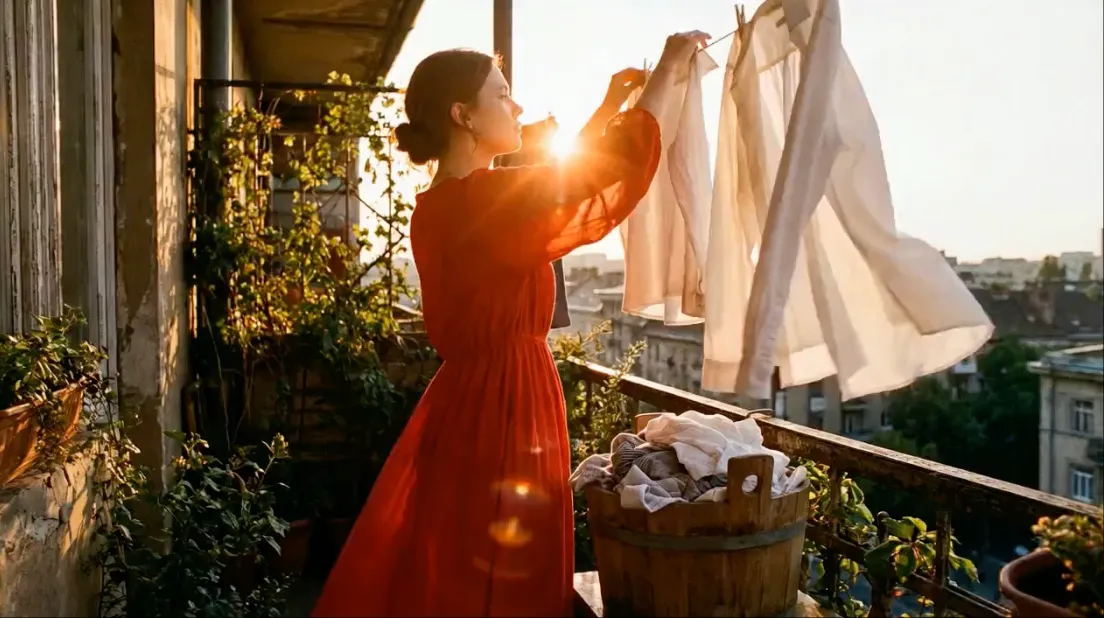
Why This Guide Matters
This guide is meant for text-first creators who want more control over what their video prompts actually do. The goal is to build prompts that are specific enough to guide the model while staying readable and flexible enough for iteration.
How To Use This Workflow
1. Define the visual goal
Start with the subject, action, and setting so the model knows what the shot is trying to show before style details are layered on.
2. Add camera and motion cues
Translate your idea into framing, movement, and pacing language only where it improves the shot rather than making it noisier.
3. Refine style and atmosphere
Use mood, lighting, and texture language to shape the result, then remove any conflicting directions that blur the scene.
What separates a good prompt from a generic one
A generic prompt leaves the model too much room to invent details that may not fit your goal. A better prompt makes the visual target obvious early, then adds style, motion, and emotional texture in a deliberate order.
How to structure a Delphin-style scene prompt
Think in layers. Start with who or what is in frame. Then describe the action. After that, shape the camera behavior, visual style, and emotional tone.
Subject and scene anchor
Lead with the main subject and location so the frame has a stable center of gravity.
Action and pacing
Describe what changes inside the shot, not just what exists in the shot.
Camera and mood language
Use cinematic wording to shape how the viewer should feel, but keep it tied to the visual event.
FAQ
Should I write prompts like prose or like instructions?
The best prompts usually sit between the two. They should read naturally, but still give clear visual instructions about subject, action, camera, and mood.
Why do text-only prompts often feel generic?
They usually skip specificity. When the subject, action, and scene objective are vague, the model fills the gap with average-looking choices.